
Foam Tape in Smartphone Manufacturing: An Application Case for Bonding, Cushioning, and Sealing
2026-10-23 By KHJ
How double-sided foam tape helps improve smartphone assembly and supports reliable component integration
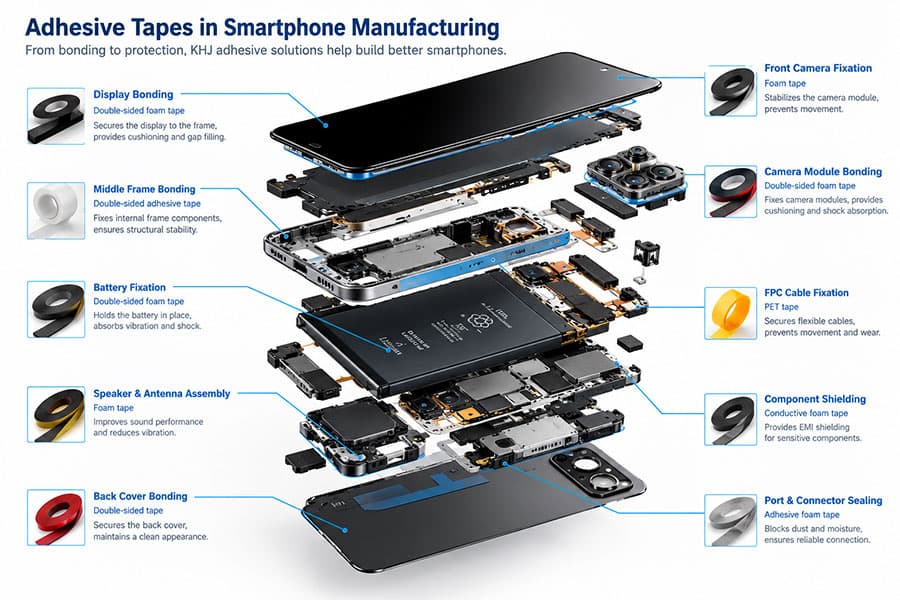
1. The Challenge: Bonding Components in a Compact Smartphone Design
Modern smartphones pack displays, cameras, batteries, speakers, sensors, and other electronic components into an increasingly thin housing. Each component must stay securely in place without adding unnecessary thickness or interfering with the phone’s appearance and performance.
Mechanical fasteners are not always practical for these small, tightly arranged components. Adhesive materials offer another option, allowing manufacturers to bond parts while accommodating differences in surface geometry and assembly tolerances.
This is where double-sided foam tape comes into play.
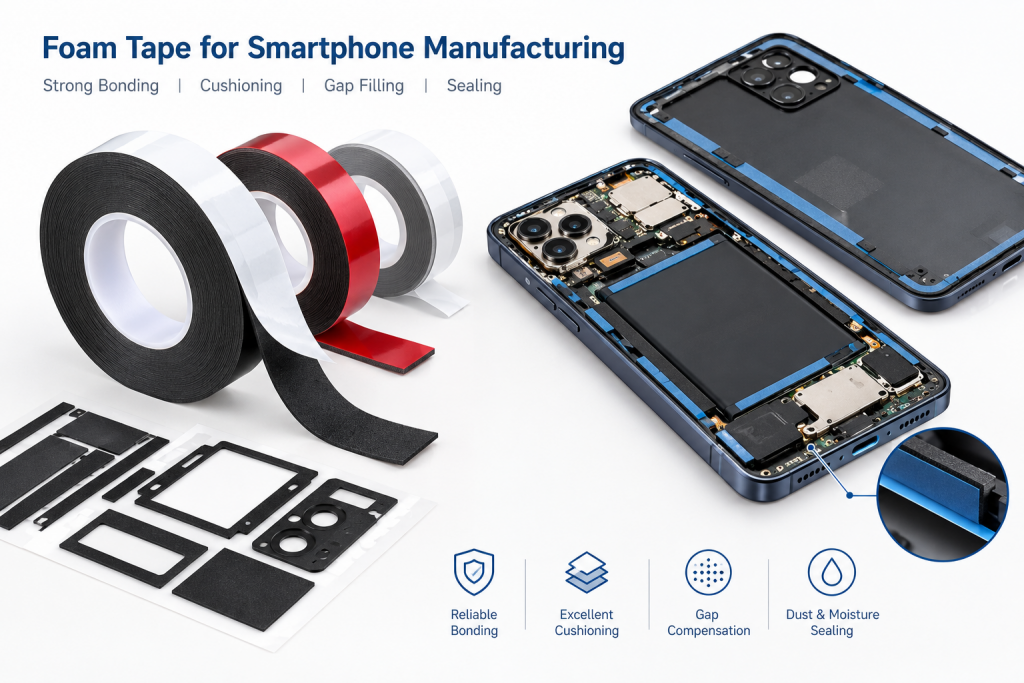
Unlike conventional flat adhesive tape, foam tape combines an adhesive layer with a compressible foam backing. Depending on the material and construction, it can help bond components, absorb minor impacts, accommodate small gaps, and support sealing around selected interfaces.
For smartphone manufacturers, choosing the right foam tape is not simply a matter of finding a strong adhesive. The tape must also fit the available space, maintain its bond over time, and perform consistently under real assembly conditions.
2. Application Scenario: Securing Smartphone Components
Consider a typical smartphone assembly process in which several internal and external components need to be fixed to the housing or frame.
During assembly, manufacturers may use double-sided foam tape in selected areas around the display module, rear cover, camera module, speaker, and other components, depending on the device design.
Each application presents a slightly different challenge.
Display and frame bonding
Foam tape can help secure selected display or module interfaces to the device frame. Its compressibility may help accommodate small dimensional variations and distribute local stress.
The tape must maintain sufficient adhesion without creating excessive thickness or interfering with display alignment.
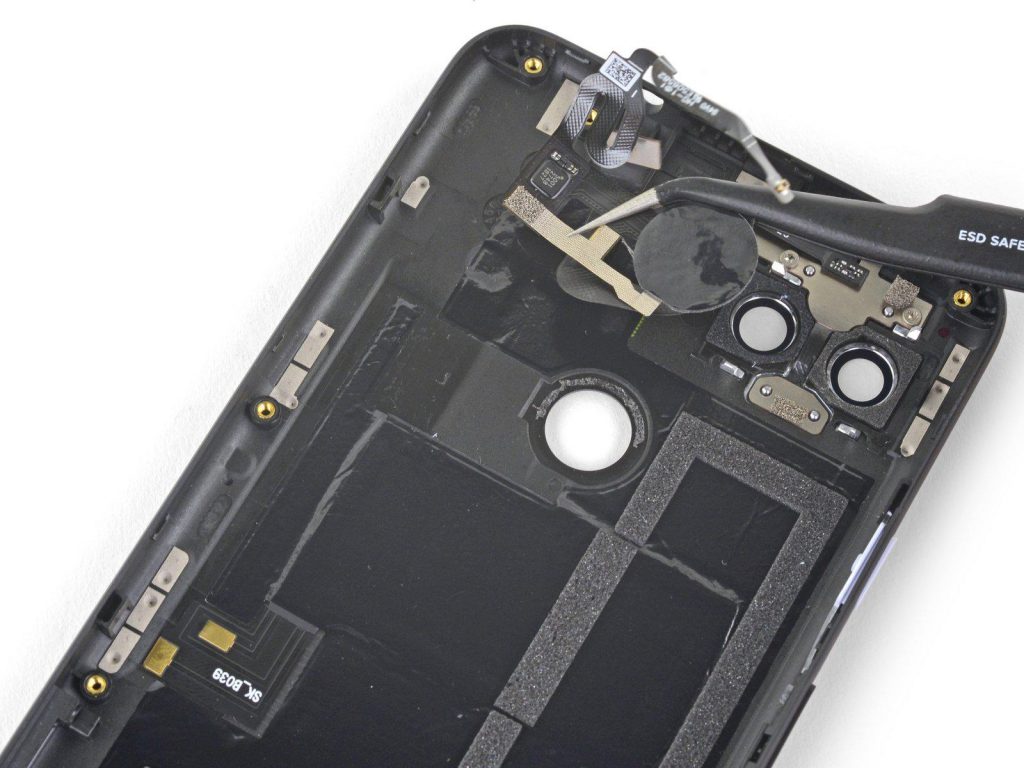
Rear cover attachment
For compatible housing designs, foam tape can bond the rear cover to the internal frame. The required adhesive performance depends on the cover material, surface treatment, contact area, and expected mechanical loads.
A suitable tape can also help accommodate minor surface irregularities.
Camera and internal module fixation
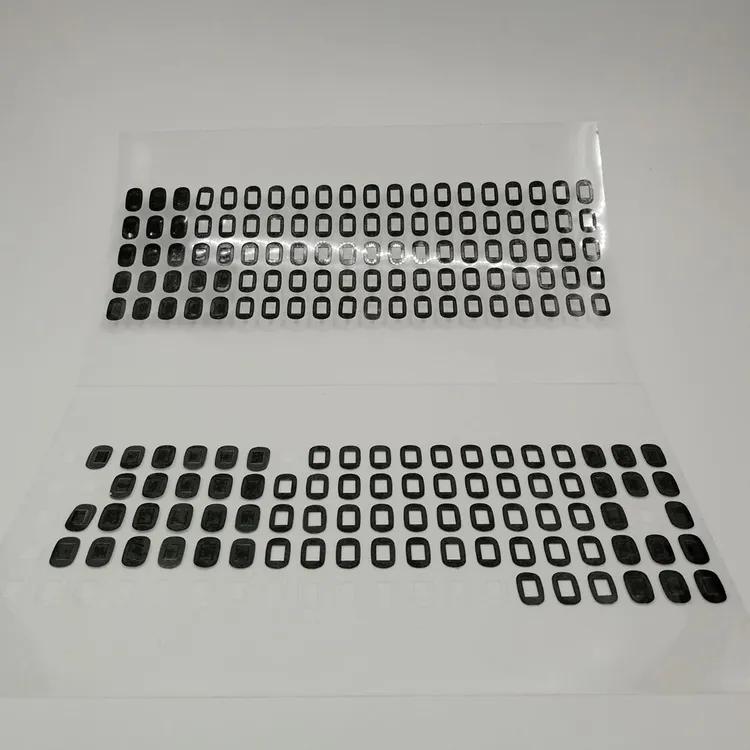
Small foam tape pieces can be die-cut to fit specific bonding locations around selected internal modules. The tape construction must suit the available clearance and avoid obstructing optical components, connectors, or other sensitive features.
Local cushioning and sealing
In certain locations, compressible foam tape can help reduce direct contact between adjacent parts and support sealing against dust ingress.
However, the tape’s actual sealing performance depends on compression, joint design, material properties, and the enclosure structure. Foam tape alone does not guarantee a particular IP rating or waterproof performance.
3. Why Foam Tape Is Useful in Smartphone Assembly
Conformability and Gap Compensation
Smartphone components are manufactured to tight dimensional tolerances, but small variations in surfaces and assembly gaps are unavoidable.
A compressible foam backing can conform to certain surface irregularities and accommodate limited variations in the bonding interface.
This helps engineers design adhesive joints for components that do not have perfectly flat contact surfaces.
Bonding Performance on Different Materials
Smartphone assemblies may combine glass, aluminum, stainless steel, coated plastics, and other engineered materials.
Adhesion varies significantly between these surfaces. Surface energy, coatings, cleanliness, and surface preparation all influence the final bond.
The adhesive system should therefore be selected and tested against the actual materials used in the device.
Cushioning and Stress Distribution
Foam tape can provide a degree of cushioning between adjacent components.
In selected applications, this may help reduce localized contact stress caused by vibration, minor impacts, or dimensional movement.
The result depends on the foam’s thickness, density, compression behavior, and recovery characteristics. Tape selection should reflect the mechanical requirements of the specific joint.
Thin, Lightweight Construction
Smartphone manufacturers have limited space for every component.
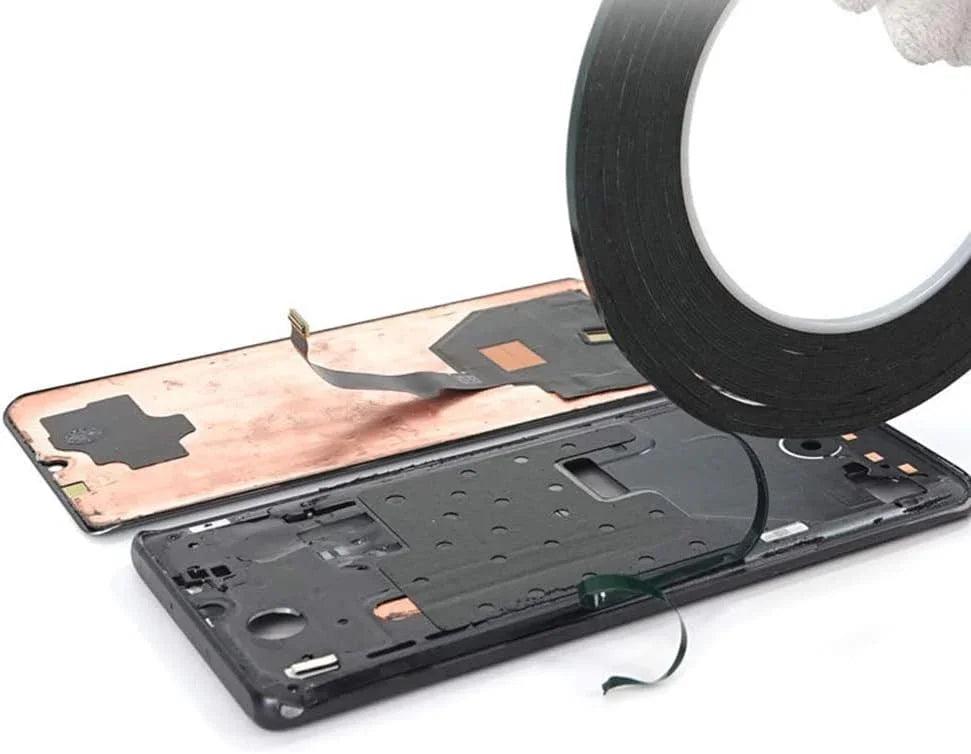
Thin foam tapes and precision die-cut adhesive parts can help secure components without relying on bulky mechanical fixtures.
The appropriate thickness must be established early in the design process because even small changes can affect component positioning, assembly pressure, and housing fit.
4. Selecting the Right Foam Tape for a Smartphone
Not all foam tapes are interchangeable. The correct construction depends on the bonding surface, available space, operating environment, and assembly method.
Foam Backing Material
Common foam backing options include acrylic foam, polyethylene (PE) foam, polyurethane (PU) foam, and other engineered foam materials.
Acrylic foam tapes may be suitable for selected structural bonding applications where long-term adhesion and environmental resistance are important.
PE foam tapes are often considered for cushioning, gap filling, and general mounting applications.
PU foam tapes may be evaluated where compressibility and cushioning are key requirements.
These are general selection considerations rather than universal rules. The actual performance depends on the complete tape construction and the application.
Adhesive Type
Acrylic and other pressure-sensitive adhesive systems offer different adhesion characteristics, temperature resistance, and compatibility with surface materials.
Engineers should evaluate initial tack, peel strength, holding power, and environmental durability rather than selecting a tape based on one specification alone.
Thickness and Compression
Tape thickness influences component positioning and the amount of compression available in the joint.
If the tape is too thick, it may interfere with assembly tolerances. If it is too thin or too stiff, it may not accommodate the required gap.
Compression and recovery should be assessed under the actual assembly conditions.
Die-Cutting Precision
Smartphone components often have irregular shapes and narrow bonding areas.
Precision die-cut foam tape can be supplied in custom shapes to match the component geometry, improve placement consistency, and reduce unnecessary adhesive coverage.
Clean edges, dimensional accuracy, and reliable release-liner handling are important for automated assembly.
5. Application Validation: What Should Manufacturers Check?
Before introducing a foam tape into smartphone production, engineers should evaluate the complete bonding process.
A practical qualification program may include:
- Initial adhesion: Confirm that the tape bonds properly to the intended surfaces.
- Peel and shear performance: Evaluate resistance to separation under relevant loading conditions.
- Temperature and humidity aging: Check whether the bond remains suitable after exposure to the intended environment.
- Compression and recovery: Assess the foam’s behavior under the designed assembly pressure.
- Dimensional stability: Verify that the tape maintains the required shape and thickness.
- Environmental compatibility: Evaluate performance under relevant vibration, thermal cycling, and other application-specific conditions.
- Assembly compatibility: Confirm that the tape can be placed accurately and consistently using the intended production equipment.
For sealing applications, testing should also reflect the actual enclosure design and the required ingress protection level.
A tape that performs well in a simple room-temperature adhesion test may behave differently after prolonged aging or repeated temperature changes. Qualification under representative conditions helps reduce this uncertainty before mass production.
6. How KHJ Supports Foam Tape Applications
KHJ provides industrial adhesive tape solutions and converting services for electronics manufacturing.
For smartphone applications, the focus is on matching the tape construction and converted shape to the customer’s assembly requirements.
Depending on the application, potential support includes:
- Double-sided foam tape selection
- Acrylic, PE, PU, and other suitable foam constructions
- Custom thicknesses and roll widths, subject to product availability
- Precision die-cut foam adhesive parts
- Adhesive selection for different bonding surfaces
- Sample evaluation and application-specific technical discussions
Customers can provide component drawings, bonding dimensions, substrate materials, and operating conditions to help identify suitable candidate materials.
The final product should be confirmed through testing against the customer’s design requirements and production process.
7. Conclusion: Small Adhesive Components, Important Design Decisions
Foam tape may occupy only a small area inside a smartphone, but its performance can influence component fixation, assembly tolerances, cushioning, and sealing at selected interfaces.
The best solution balances adhesion, compressibility, thickness, environmental resistance, and converting accuracy.
For smartphone manufacturers, evaluating these factors early in the design process can help identify suitable bonding materials before the product moves into mass production.
KHJ works with electronics manufacturers to explore adhesive tape solutions for compact assemblies and precision bonding applications.
Looking for Foam Tape for Smartphone Manufacturing?
Contact KHJ to discuss your bonding surfaces, required thickness, die-cut dimensions, and environmental performance requirements.
Website: https://www.khjtech.com
Product Inquiry | Custom Die-Cutting | Technical Support
SEO Tags
Foam Tape for Smartphone Manufacturing, Smartphone Assembly Tape, Double Sided Foam Tape, Mobile Phone Adhesive Tape, Acrylic Foam Tape, PE Foam Tape, PU Foam Tape, Smartphone Display Bonding, Phone Frame Adhesive Tape, Electronic Component Bonding, Precision Die Cut Foam Tape, Electronics Assembly Materials, Foam Tape Manufacturer, KHJ Technology
Hashtags
#FoamTape #DoubleSidedFoamTape #SmartphoneManufacturing #MobilePhoneAssembly #ElectronicsManufacturing #AdhesiveTape #AcrylicFoamTape #PrecisionDieCutting #ElectronicComponents #KHJTechnology
TRENDING POSTS
- * SMT Splice Tape in PCB Assembly: A Practical Case for Continuous Component Feeding
- * UV Dicing Tape in Semiconductor Wafer Cutting: Reliable Wafer Holding and Clean Die Release
- * Thermal Release Tape for Sapphire Wafer Dicing: Secure Holding, Controlled Release and Cleaner Processing
- * High Temperature Tape for PCB Reflow Soldering: Protecting Critical Areas During SMT Assembly
- * Polyimide Tape in QFN Semiconductor Packaging: An Application Case from the Production Floor
HOT TOPIC
-
772
Acrylic Foam Tape
conductive cloth die cutting
Die-Cut
die cutting tape
Double Sided Foam Tape
EMI shielding gasket
foam die cutting
Foam Tape
graphite die cutting
heat restrant tape
heat sink die cutting
high temperature tape
kapton tape
khj
Labels
LCD buffer pad
LCD shielding
L foam
Non-silicone Polyimide Tape
PCB
PI tape
polyimide tape
polyimide tape,kapton tape
precision die cutting
Reflow soldering masking
SEMICON West
senmiconductor
tape
thermal management
thermal release tape
UV Release Tape
wafer
Wafer cutting