
SMT Splice Tape in PCB Assembly: A Practical Case for Continuous Component Feeding
2026-10-23 By KHJ
How reliable splice tape helps reduce reel-change interruptions and maintain stable SMT production
1. The Challenge: Keeping an SMT Line Running
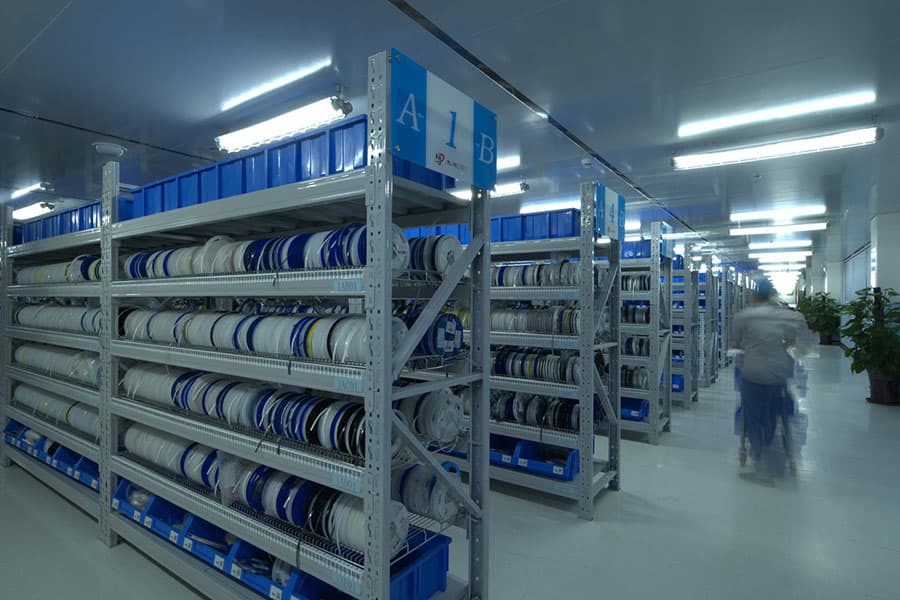
In PCB assembly, even a small interruption can affect the production schedule. Surface-mount technology (SMT) lines rely on pick-and-place machines to collect electronic components from carrier tapes and accurately place them onto printed circuit boards.
Components such as resistors, capacitors, inductors, and integrated circuits are commonly supplied on reels. When a reel runs out, the operator must replace it or join the remaining carrier tape to a new reel.
On a busy production line, frequent reel changes create additional work for operators and can interrupt the component-feeding process.
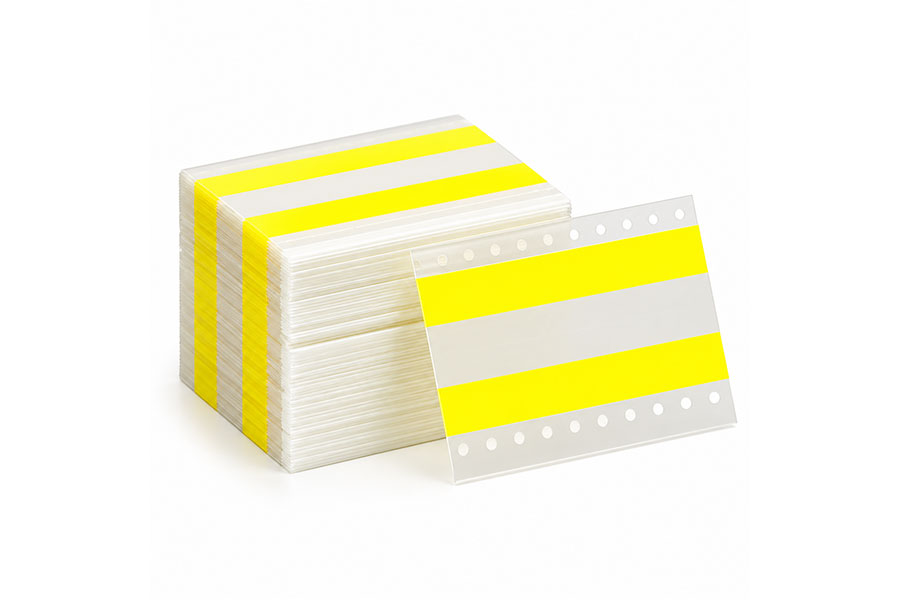
This is where SMT splice tape becomes useful. By joining the end of one component carrier tape to the beginning of another, the operator can prepare the next reel in advance and allow the feeder to continue advancing through the splice.
The result depends on the quality of the joint, the correct splice tape design, and the compatibility of the splice with the feeder.
2. Application Scenario: Reel Changeover in PCB Assembly
Consider a typical PCB assembly line producing control boards for industrial electronics.
The line uses multiple pick-and-place machines, with components supplied in tape-and-reel packaging. During longer production runs, several component reels may approach their ends at different times.
Without a splicing procedure, operators may need to stop the relevant machine or interrupt the feeding process to replace an empty reel. This adds manual handling and can affect line utilization.
The production team therefore introduces an SMT tape splicing process for compatible component reels.
Before the current reel is exhausted, the operator prepares a new reel containing the same component type. The old and new carrier tapes are cut and aligned, then joined with the appropriate splice tape. Where required, the cover tapes are also connected using a suitable cover tape splicing method.
Once the joint has been checked and loaded correctly, the feeder can advance from the old reel to the new one without a conventional reel change at the splice point.
For the production team, the objective is straightforward: keep components feeding consistently while reducing avoidable interruptions during reel changeover.
3. Why Splice Tape Quality Matters
A splice may look simple, but it must pass through a precision feeder without disturbing the component feeding sequence.
Several details deserve attention.
Accurate Carrier Tape Alignment
The two carrier tape ends must be aligned carefully. Misalignment around the sprocket holes or component pockets can affect tape advancement and pickup positioning.
For fine-pitch components and narrow carrier tapes, even a small alignment error may cause feeding problems.
Reliable Adhesion
The splice joint must remain secure as the feeder advances the tape. Weak adhesion, uneven pressure, or poorly prepared tape ends can cause the joint to lift or separate.
A suitable splice tape should provide reliable bonding under the mechanical conditions of the intended feeder.
Controlled Joint Thickness
Excessive thickness at the splice can interfere with the feeder’s tape path or detection system.
The tape construction and application method should therefore be selected to suit the feeder’s operating requirements.
Consistent Cover Tape Separation
The cover tape protects components inside the carrier pockets and is peeled away during feeding.
A poorly formed cover tape joint may affect peeling behavior or disturb components near the splice. The cover tape connection should be short, flat, and compatible with the feeder’s peel mechanism.
These details are especially important when handling small passive components, where an unstable feed can lead to missed pickups or component loss.
4. Choosing the Right SMT Splice Tape
Not every splice tape is suitable for every component reel. Selection should begin with the carrier tape construction and the requirements of the production equipment.
Carrier tape width
Common SMT carrier tape widths include 8 mm, 12 mm, 16 mm, 24 mm, and wider formats. The splice tape or connector should match the intended carrier tape width and splice design.
Single-sided or double-sided construction
Single-sided splice tape may be appropriate for certain splicing methods, while double-sided designs can secure the joint from both sides of the carrier tape. The correct choice depends on the splice system and feeder requirements.
Component and feeder compatibility
The joint must pass through the actual feeder reliably. Compatibility should be confirmed for the relevant machine, feeder model, carrier tape type, and component package.
ESD requirements
When working with electrostatic-sensitive components, the complete splicing system should be assessed for its electrostatic properties. Standard adhesive tape should not automatically be assumed to provide ESD protection.
Application method
Some splice systems use dedicated splicing tools, alignment features, or metal clips. Others use pre-cut connectors designed for a particular carrier tape format. The selected material should fit the production team’s existing workflow.
A well-matched splice tape is not simply a stronger adhesive product. It is a component of the overall feeder setup.
5. Practical Results to Evaluate on the Production Line
After introducing a new SMT splice tape, the production team should evaluate its performance under normal operating conditions.
Useful indicators include:
- Frequency of splice separation or lifting
- Feeder alarms and tape advancement errors
- Component loss around the splice
- Time required for reel changeover
- Operator handling and rework
- Compatibility across different feeder types
A controlled trial can compare the existing splicing method with the proposed material and process.
Rather than relying only on adhesive strength or supplier specifications, the team should observe how the joint behaves during actual feeding and whether it introduces additional handling or quality issues.
The results will help determine whether the splice tape is suitable for routine production use.
6. How KHJ Supports SMT Splicing Applications
KHJ supplies industrial adhesive tape solutions for electronics manufacturing, including materials used in SMT production and component handling.
For customers looking for SMT splice tape, important considerations include carrier tape width, splice construction, adhesive performance, feeder compatibility, and any ESD-related requirements.
KHJ can work with customers to discuss application requirements and identify suitable tape formats for evaluation.
Potential areas of support include:
- SMT splice tape for different carrier tape widths
- Single-sided and double-sided splice solutions, subject to product availability
- Cover tape splicing applications
- Customized tape converting and dimensions
- Sample evaluation for production compatibility
The final selection should be confirmed through testing with the customer’s carrier tapes, components, and feeder equipment.
7. Conclusion: A Small Consumable with a Practical Role in SMT Production
SMT splice tape is a small consumable, but it plays an important role in component reel management.
When the carrier tape is aligned correctly and the splice is compatible with the feeder, splicing can help reduce avoidable reel-change interruptions and support continuous component feeding.
For PCB assembly manufacturers, the priority is to find a splice tape that balances secure bonding, accurate alignment, suitable joint thickness, and reliable feeder performance.
KHJ works with electronics manufacturers to explore adhesive tape solutions for their production requirements.
Looking for SMT Splice Tape for Your PCB Assembly Line?
Contact KHJ to discuss your carrier tape width, splice method, feeder requirements, and sample evaluation needs.
Website: https://www.khjtech.com
Product Inquiry | Custom Solutions | Technical Support
SEO Tags
SMT Splice Tape, SMT Tape Splicing, PCB Assembly, PCB Manufacturing, SMT Production Line, SMT Feeder Splice Tape, SMD Splice Tape, Carrier Tape Splicing, Component Reel Changeover, Pick and Place Machine, Electronics Manufacturing, SMT Consumables, Double Sided Splice Tape, ESD Safe Splice Tape, KHJ Technology
Hashtags
#SMTSpliceTape #SMTAssembly #PCBA #PCBAssembly #SMTProduction #SMTFeeder #SMDComponents #TapeSplicing #ElectronicsManufacturing #KHJTechnology
TRENDING POSTS
- * Foam Tape in Smartphone Manufacturing: An Application Case for Bonding, Cushioning, and Sealing
- * UV Dicing Tape in Semiconductor Wafer Cutting: Reliable Wafer Holding and Clean Die Release
- * Thermal Release Tape for Sapphire Wafer Dicing: Secure Holding, Controlled Release and Cleaner Processing
- * High Temperature Tape for PCB Reflow Soldering: Protecting Critical Areas During SMT Assembly
- * Polyimide Tape in QFN Semiconductor Packaging: An Application Case from the Production Floor
HOT TOPIC
-
772
Acrylic Foam Tape
conductive cloth die cutting
Die-Cut
die cutting tape
Double Sided Foam Tape
EMI shielding gasket
foam die cutting
Foam Tape
graphite die cutting
heat restrant tape
heat sink die cutting
high temperature tape
kapton tape
khj
Labels
LCD buffer pad
LCD shielding
L foam
Non-silicone Polyimide Tape
PCB
PI tape
polyimide tape
polyimide tape,kapton tape
precision die cutting
Reflow soldering masking
SEMICON West
senmiconductor
tape
thermal management
thermal release tape
UV Release Tape
wafer
Wafer cutting